
Google & Android OS
Android OS — 2021 - 2024
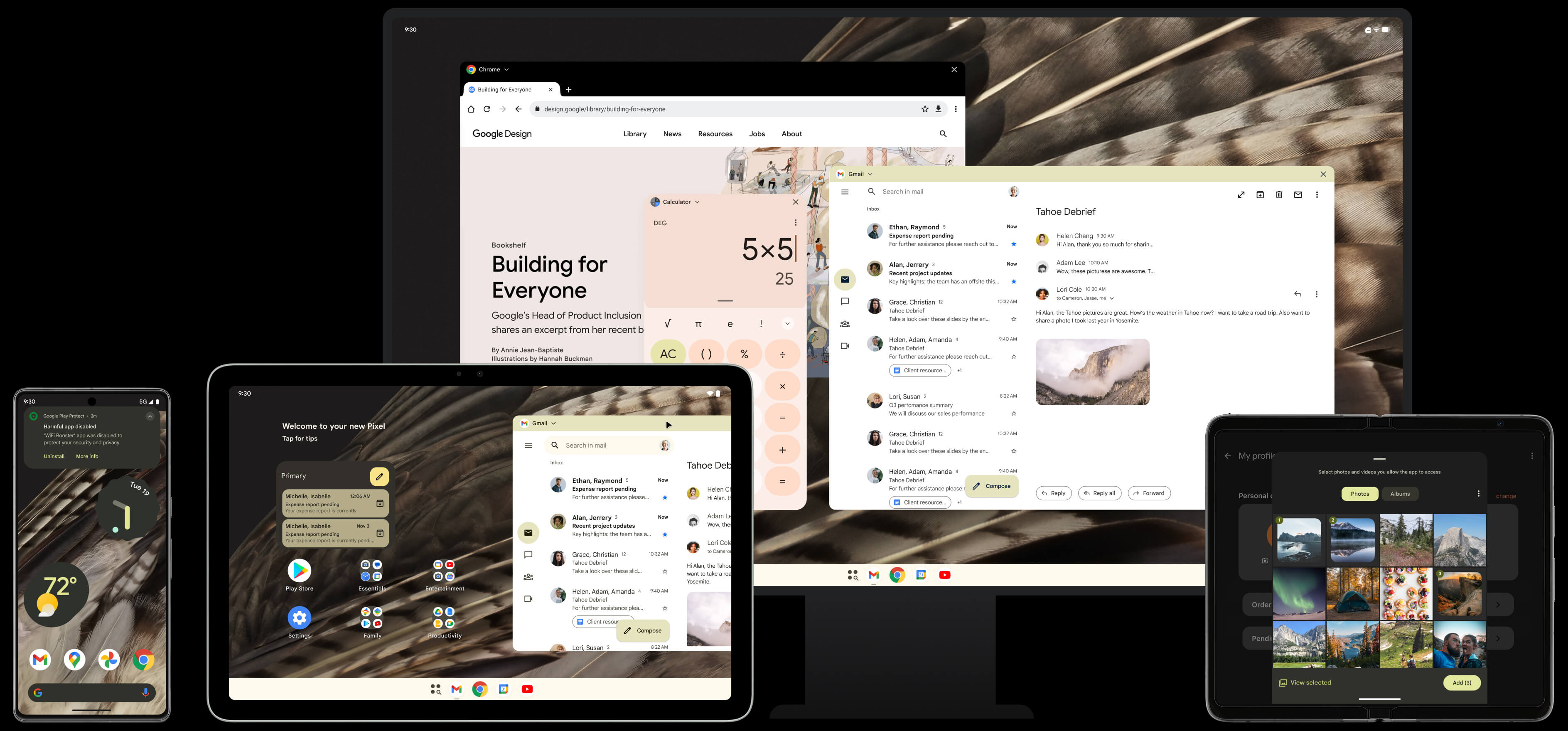
I worked on the Android Design team at Google, shaping core OS features across multiscreen experiences, privacy, and personalization. I had the pleasure of working with engineering teams across Pixel, Material, Android System UI, Workspace, Play, and more.
Android desktop mode
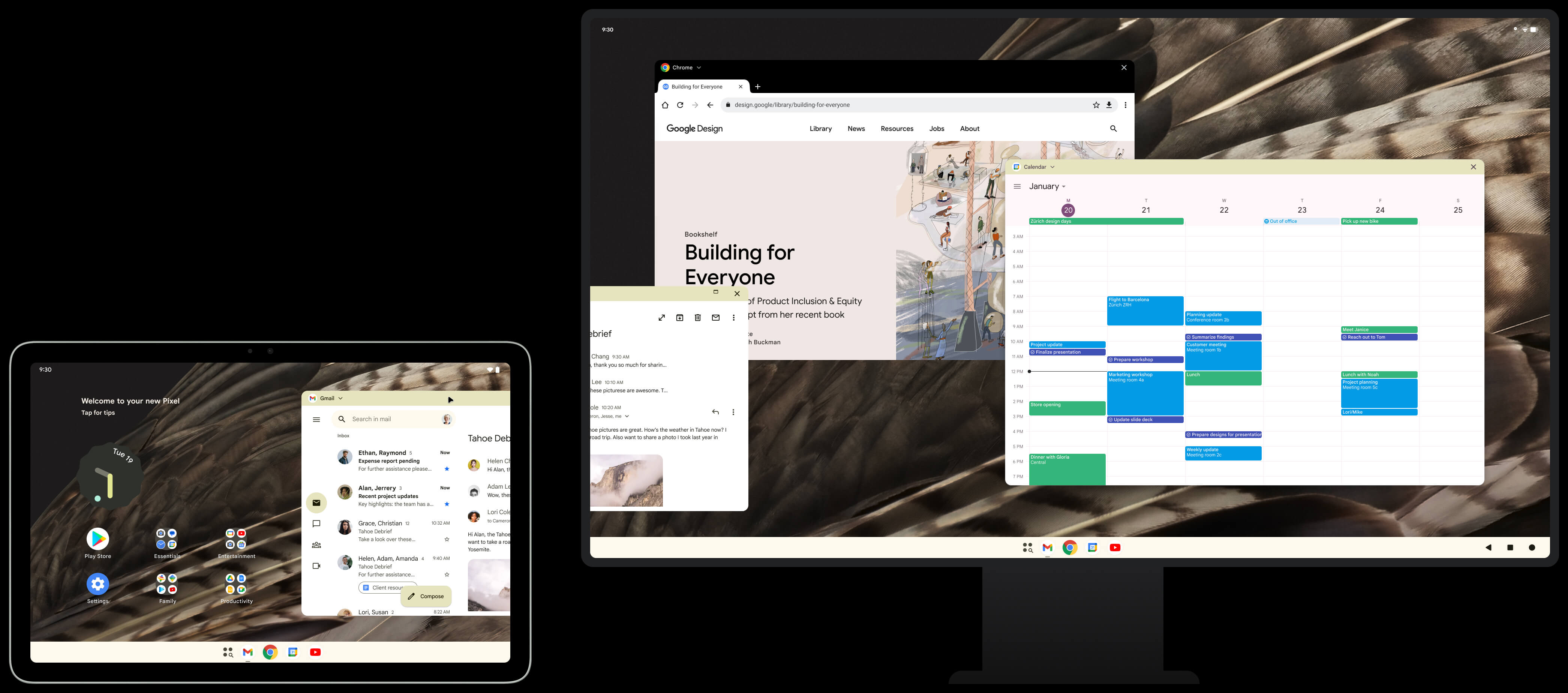
Connected Displays lets Android devices scale up to desktop-style use with external monitors, offering effortless support for both mirroring and extended multi-window setups. The feature supports a wide range of scenarios from work sessions and presentations to media viewing, gaming, and casual browsing.
I led early concept and UX direction for this feature, exploring how Android devices could scale into productive, multi-screen setups. My work focused on foundational interaction patterns for windowing, continuity between phone and display, and hardware behaviors, shaping the roadmap that led to Android 16 launch.
Android photo picker
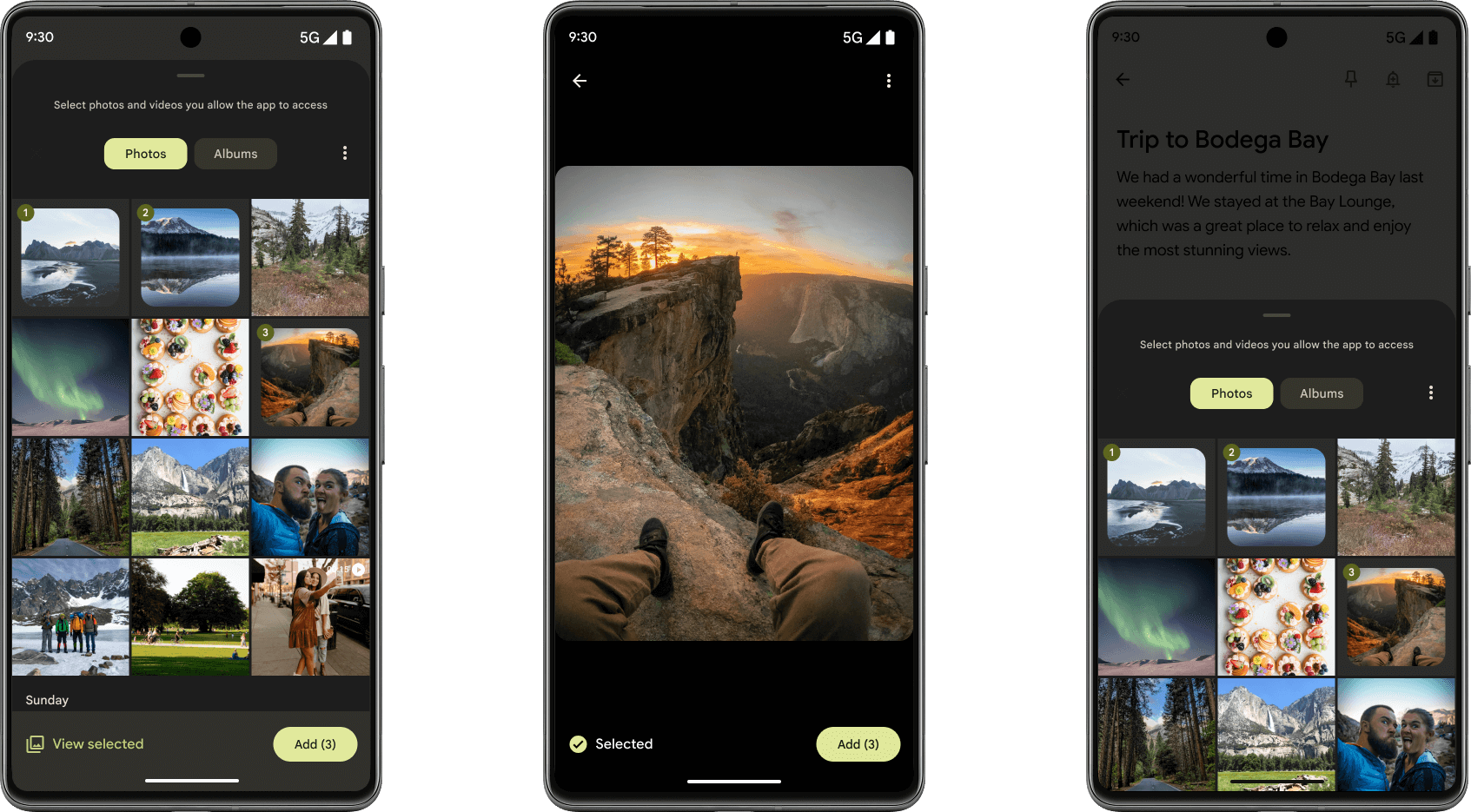
Android Photo Picker is a system component that lets users share selected photos and videos with apps without granting full access to their media library. It introduced scoped media sharing, allowing people to grant access to just the items they choose, aligning with Android’s modern data access model and improving privacy.
I led design efforts for this feature, defining a consistent, trustworthy photo-picking experience across Google and third-party apps. It solved long-standing inconsistencies in how apps filtered, sorted, and surfaced. The new component brought clarity, predictability, and a unified experience across the ecosystem.
Android security & privacy
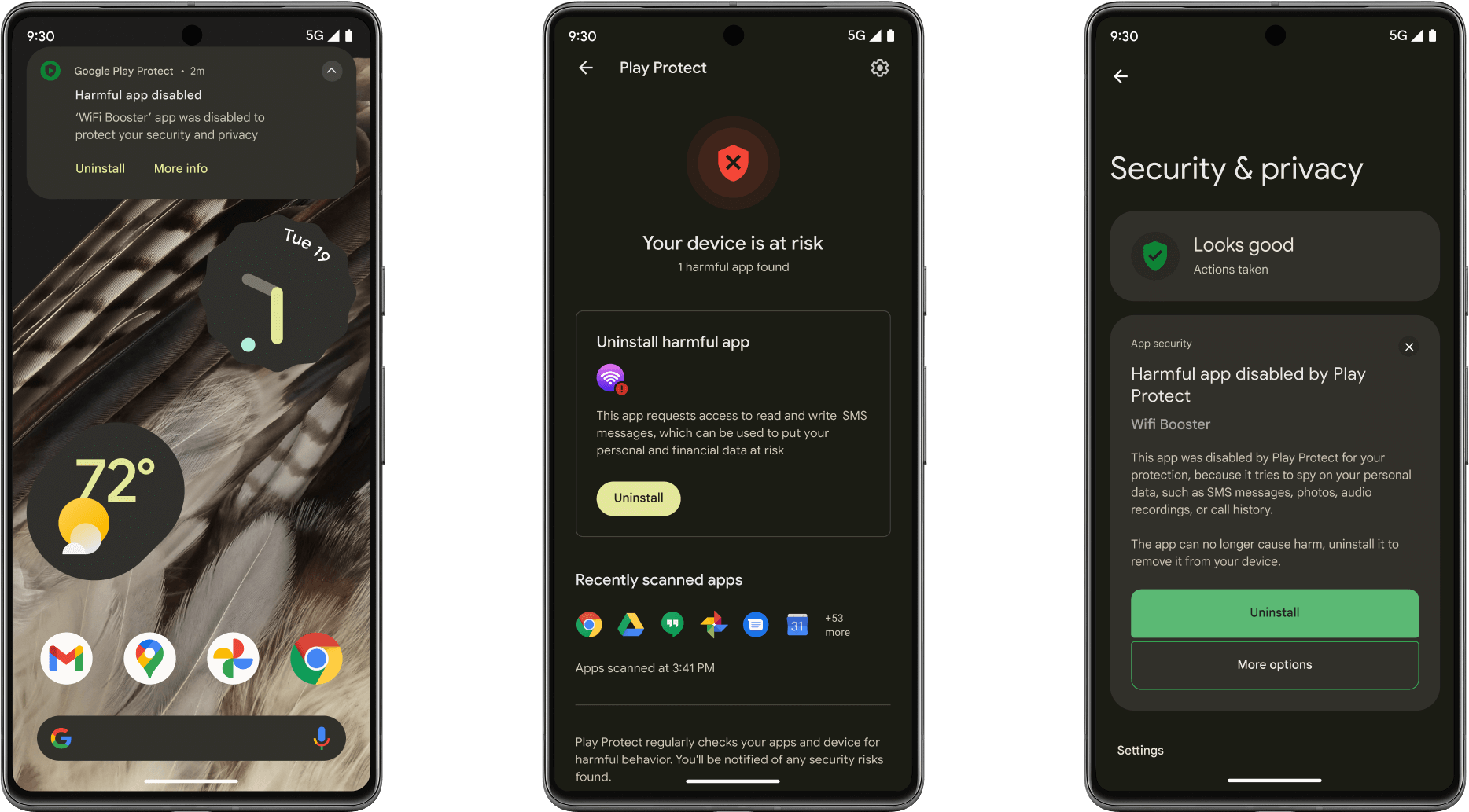
As Android’s threat detection became more proactive, the team focused on giving users clearer signals and more control over harmful apps and risky behaviors. I worked on complex UX flows that guided users through real-time warnings, system notifications, and device-level treatments.
I worked across scan results, action-driven flows, and contextual UI that communicated risks without overwhelming users. These efforts supported a broader platform shift toward user trust, safety, and autonomy in how Android handles security threats.
Out-of-box experience
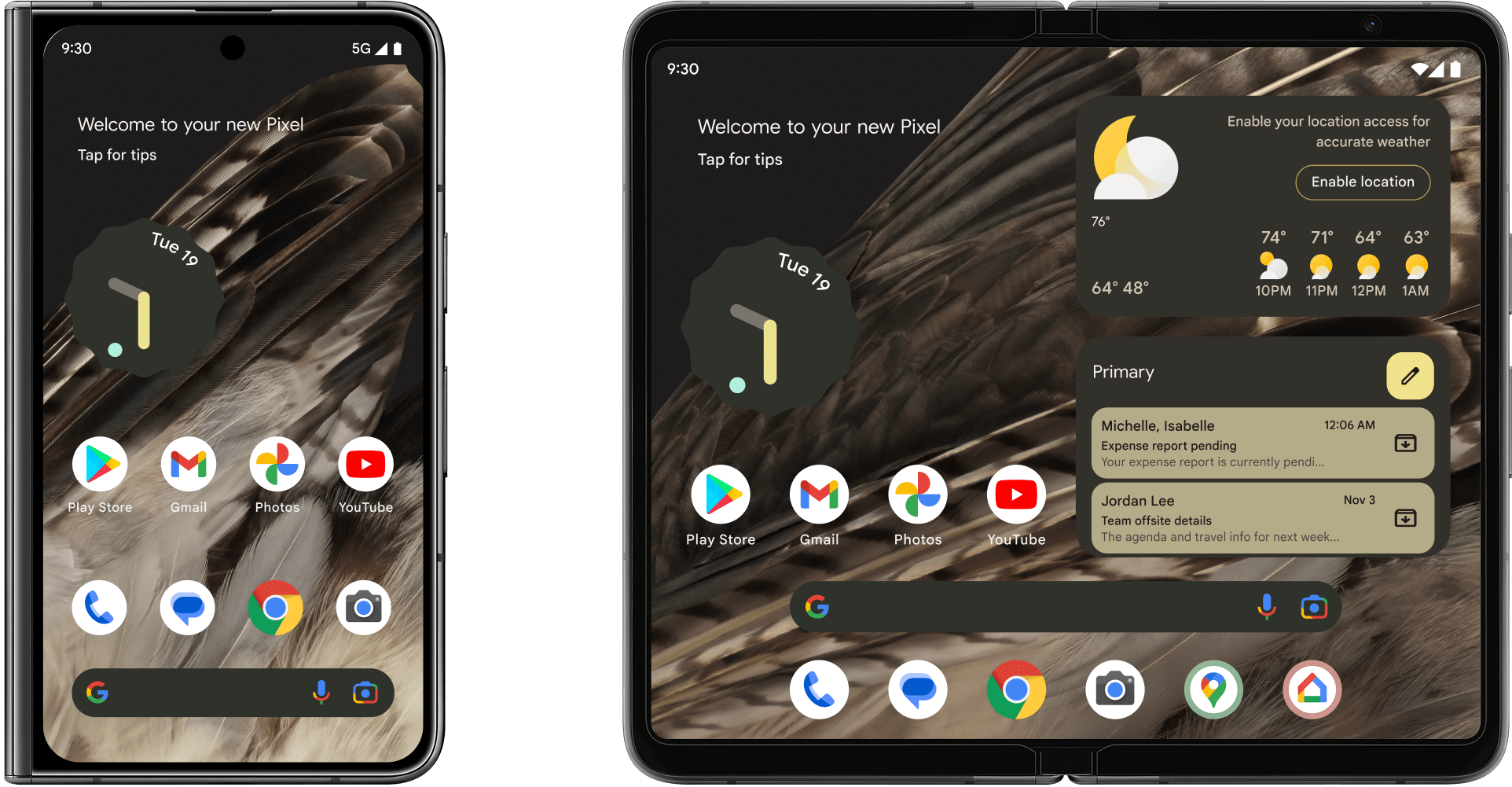
Out-of-box homescreens were designed for Pixel Tablet and Pixel Fold to reflect core use cases: entertainment and productivity. Default widget configurations (Clock, Weather, Calendar, Gmail) were optimized to match expectations, engineering and battery constraints, and device behavior.
Homescreen defaults had to adapt across screen sizes, user contexts, and potential content gaps. Widget prioritization was informed by top usage patterns, system limitations, and platform guidelines. The result is a tailored homescreen experience that reflects product positioning and supports users from day one.
Screen saver & theme
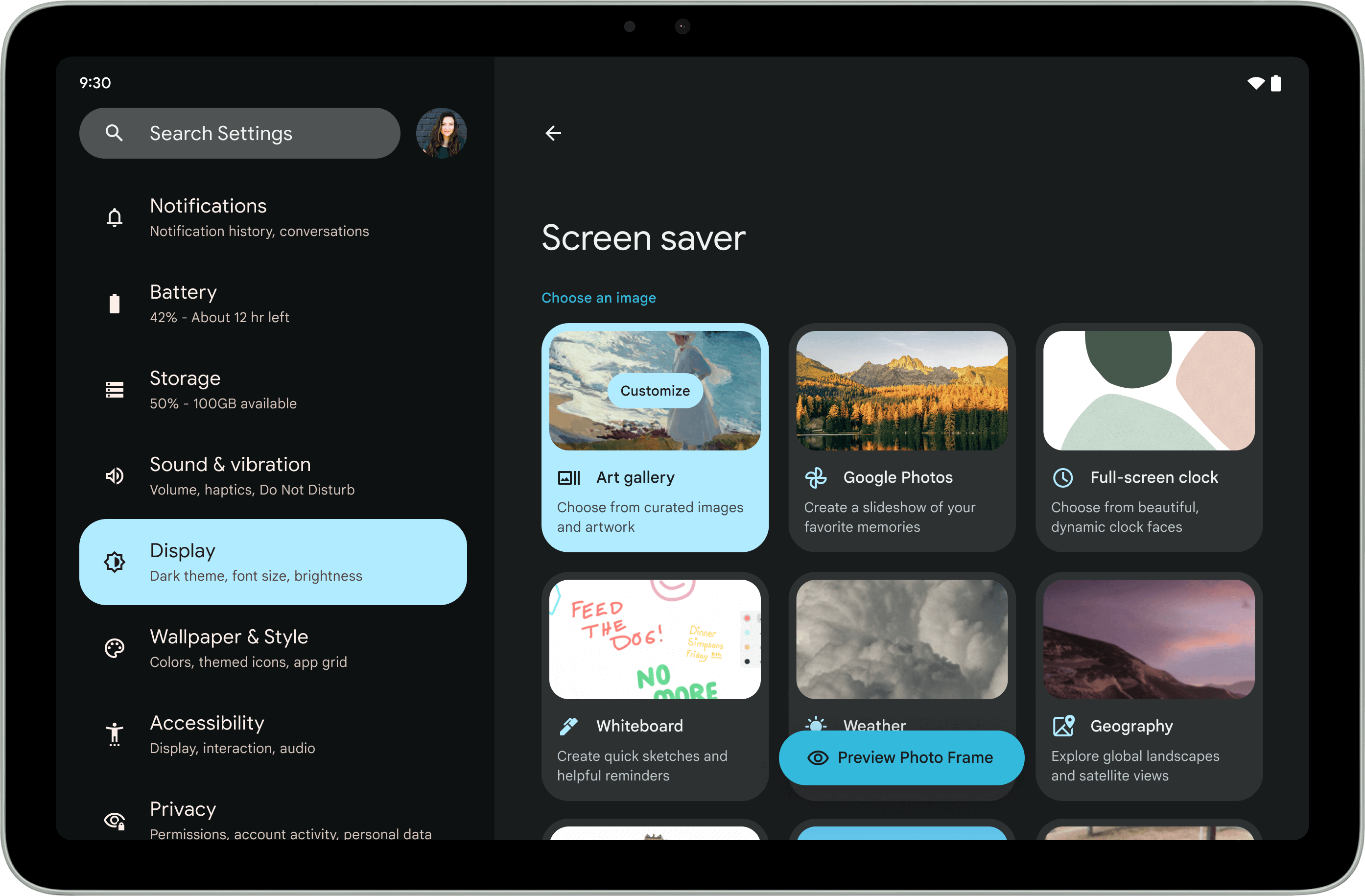
The Screen saver feature was reimagined to support ambient use cases on docked or idle devices. The new experience included a preview mode, repositioned settings, deeper customization through Google Photos integration and theming flexibility, and new entry points for quick access to screen saver edits.
Design explorations addressed interaction models, customization workflows, and compliance with new energy efficiency regulations. The project also evaluated navigation behavior across full-screen settings modes and aligned new patterns with other personalization flows across Android.
Android multiple users
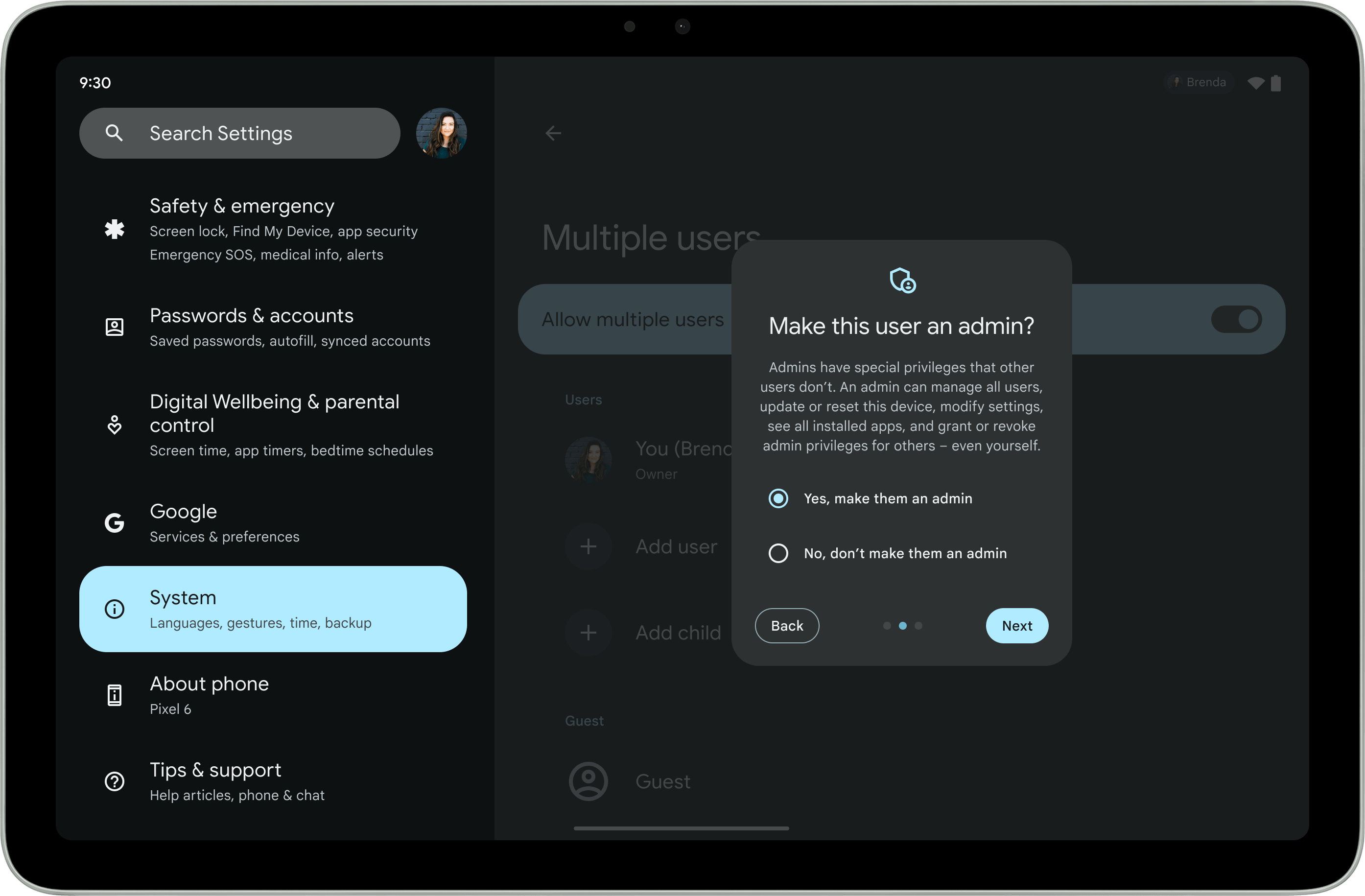
As Android expanded into shared environments like homes, schools, and cars, the need for a more flexible multi-user system became clear. The design challenge centered on simplifying user switching, supporting guest access, and creating clear boundaries between profiles.
I designed a new multi-user framework for shared devices, introducing multiple admins, safer guest modes, and guardrails for critical actions like factory resets. Key challenges included privilege handoffs, session clarity, and fail-safe states across communal setups.
Let's make products feel more alive. Say hi.